 Utah Utes
· 2026-07-09
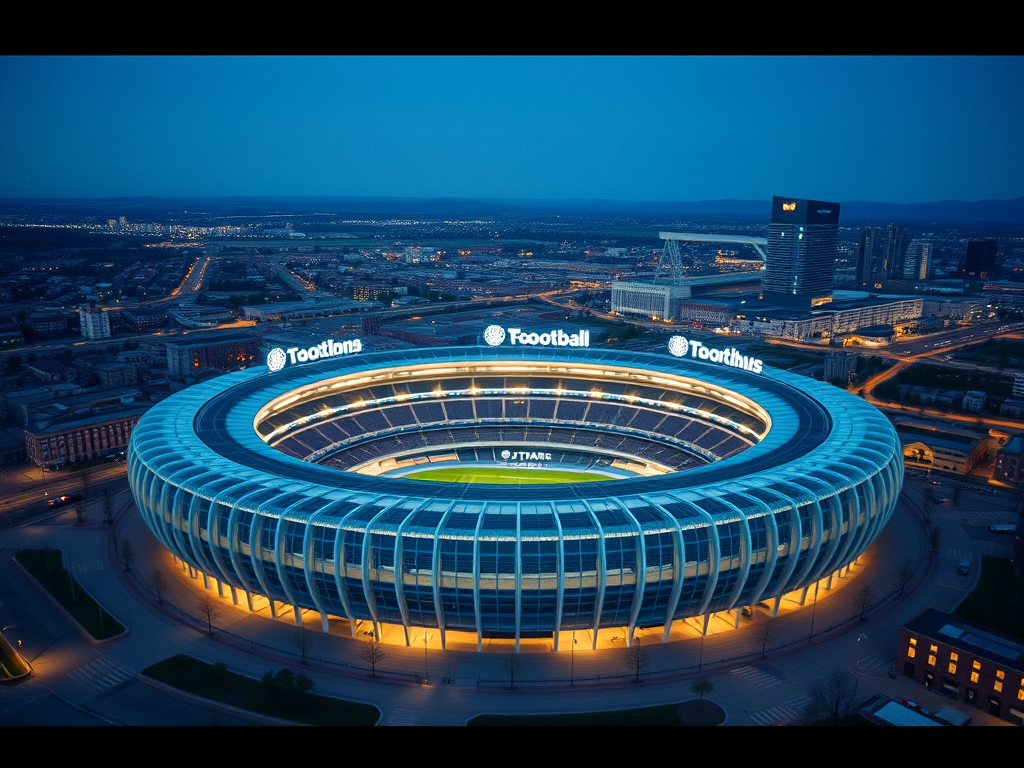
Utah Utes are poised for a stadium revamp that could add premium seating, club lounges and high‑tech amenities, a move aimed at enriching the fan experience before the team opens against Idaho Vandals on 2026-09-04.
University officials and stadium consultants have floated a mix of new luxury suites, wider concourses and upgraded Wi‑Fi throughout Rice‑Eccles. The proposals also mention a possible re‑configuration of the south end zone to accommodate a 2,500‑seat club area. These ideas are still in the feasibility stage, but they signal a shift toward a more upscale game‑day atmosphere.
Coach Kyle Whittingham believes a modern venue can help attract top recruits and keep current fans engaged. He noted that younger athletes often weigh campus facilities when choosing a program. Adding premium options also opens new revenue streams, which could fund future recruiting trips and facility improvements across the athletic department.
Fans could expect clearer sightlines, more comfortable seating and dedicated food‑service stations in the new club sections. The plan also calls for enhanced concession options, including local Utah craft breweries and healthier menu choices. For season ticket holders, a loyalty program may grant early access to these premium zones.
The university says a detailed design review will happen this fall, with construction slated for spring 2027 if funding is secured. No official budget has been released yet, but the athletic department hopes to tap private donors and corporate sponsors to cover a portion of the costs. Until then, the current stadium layout will remain unchanged for the upcoming home games.
With the Idaho game on the horizon, the Utes will play the next few weeks in the existing setup. However, the buzz around potential upgrades may boost ticket sales and energize the crowd. If the project moves forward, the 2028 season could showcase a markedly different Rice‑Eccles experience for both players and supporters.
Critics warn that focusing on premium amenities might divert resources from essential upgrades like locker rooms or training facilities. There’s also concern about pricing; higher ticket costs could alienate long‑time fans who value affordability. The university says it will balance revenue goals with community access.
Stakeholders will convene a public forum in late August to gather input from students, alumni and local businesses. The feedback will shape the final proposal, which the Board of Trustees must approve before any ground‑breaking can begin.
The Utah Utes’ stadium future hangs in the balance, but the conversation is already shifting the program toward a more modern, fan‑centric model.